Schindler’s Factory was established by three Jewish entrepreneurs: Michał Gutman, Izrael Kahn, and Wolf Luzer Glajtman. After leasing the production halls from the factory they were able to acquire a plot that would become their future base.
The factory changed ownership multiple times before it finally fell into the hands of Oskar Schindler. The Polish name is Fabryka Emalia Oskara Schindlera, but the German name was Oskar Schindler's Deutsche Emailwarenfabrik (DEF). By also producing ammunition shells, Schindler’s factory was classified as an essential part of the war effort, enabling him to build a subcamp of the Płaszów forced labor camp within the premises. Here, the Jews in his employ had little to scarce contact with the camp guards.
Although Schindler was initially driven by economic reasons in hiring more Jews each year, his actions had a direct impact on increasing the number of Jewish workers who were saved, from over 150 Jewish employees in 1940 to around 1100 of them in 1944.
Originally established by three Jewish entrepreneurs by the names of Michał Gutman, Izrael Kahn, and Wolf Luzer Glajtman, Schindler’s Factory has had a complex past of ownership before finally being acquired by Oskar Schindler. The first 3 Jewish entrepreneurs had leased the production halls from the factory which enabled them to acquire a plot on Lipowa street for their future base.
Originally established by three Jewish entrepreneurs by the names of Michał Gutman, Izrael Kahn, and Wolf Luzer Glajtman, Schindler’s Factory has had a complex past of ownership before finally being acquired by Oskar Schindler. The first 3 Jewish entrepreneurs had leased the production halls from the factory which enabled them to acquire a plot on Lipowa street for their future base.
After Oskar Schindler came to own the enamel factory, he originally began hiring Jew workers for lucrative economic prospects. At the time, the costs of recruitment were significantly lower for Jewish workers, as they were not entitled to compensation. Eventually, Schindler realized his duty to help Jews during the war. He began producing ammunition shells in the factory to classify it as necessary to the war effort. This saved the workers from the concentration camps.
After Oskar Schindler came to own the enamel factory, he originally began hiring Jew workers for lucrative economic prospects. At the time, the costs of recruitment were significantly lower for Jewish workers, as they were not entitled to compensation. Eventually, Schindler realized his duty to help Jews during the war. He began producing ammunition shells in the factory to classify it as necessary to the war effort. This saved the workers from the concentration camps.
After Oskar Schindler came to own the enamel factory, he originally began hiring Jew workers for lucrative economic prospects. At the time, the costs of recruitment were significantly lower for Jewish workers, as they were not entitled to compensation. Eventually, Schindler realized his duty to help Jews during the war. He began producing ammunition shells in the factory to classify it as necessary to the war effort. This saved the workers from the concentration camps.
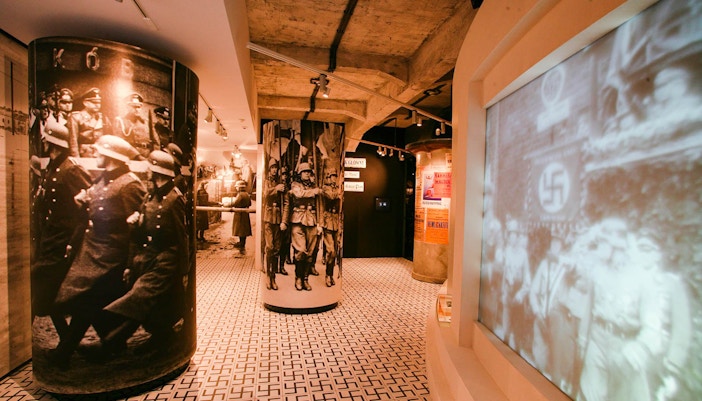
After the war, the factory buildings were used to produce telecommunications equipment for around 50 years. Eventually, Schindler’s Factory reopened with two historically important museums aiming to depict life in Krakow during the Nazi occupation. The main exhibition showcases the histories of Kraków’s wartime inhabitants. From the war of 1939 to everyday life under occupation – these exhibits leave little to the imagination with the vast repository of displayed archival documents, radio and film recordings, photos, and artifacts on display.
What is inside Schindler’s Factory?
Before being acquired by Oskar Schindler, the factory was used for producing metal items. After Schindler came to own it, the factory manufactured various enamelware objects. He later decided to also produce mess kits and ammunition shells so that the factory would be classified as an essential part of the war effort, and the Jewish workers would continue to remain employed, away from the concentration camps.
When you visit Schindler's Factory today, you will be able to explore the two museums on the premises that showcase different aspects of life in Krakow during the Nazi occupation through a series of immersive exhibits.
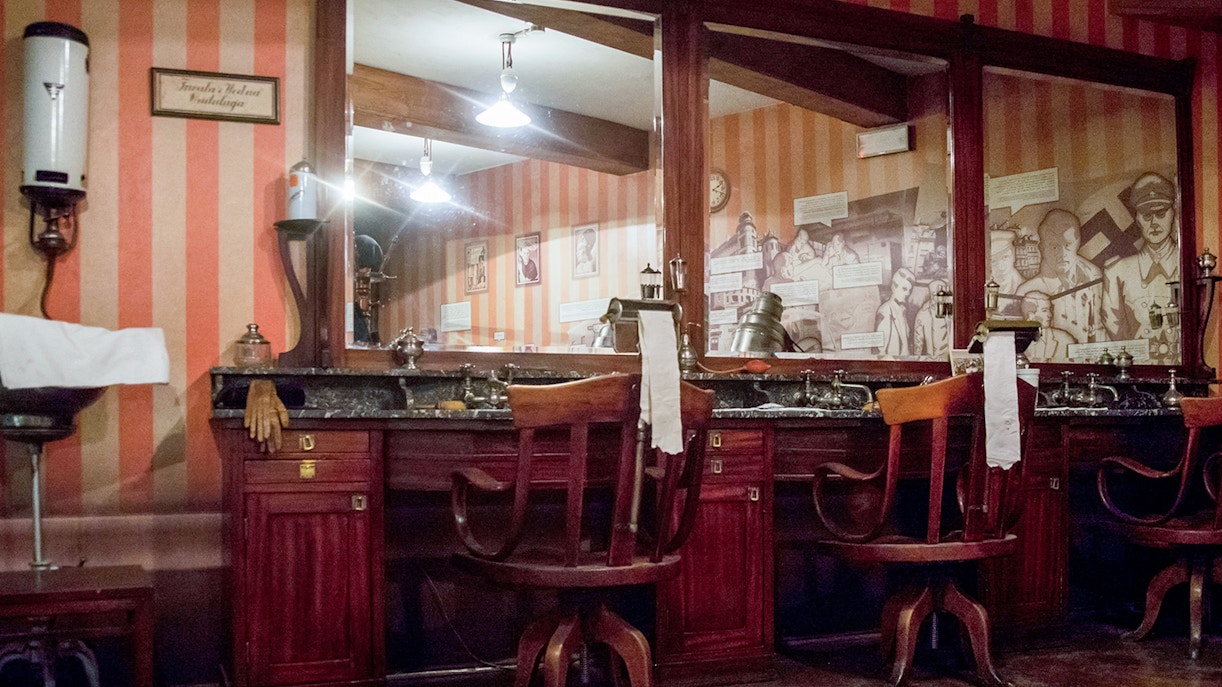
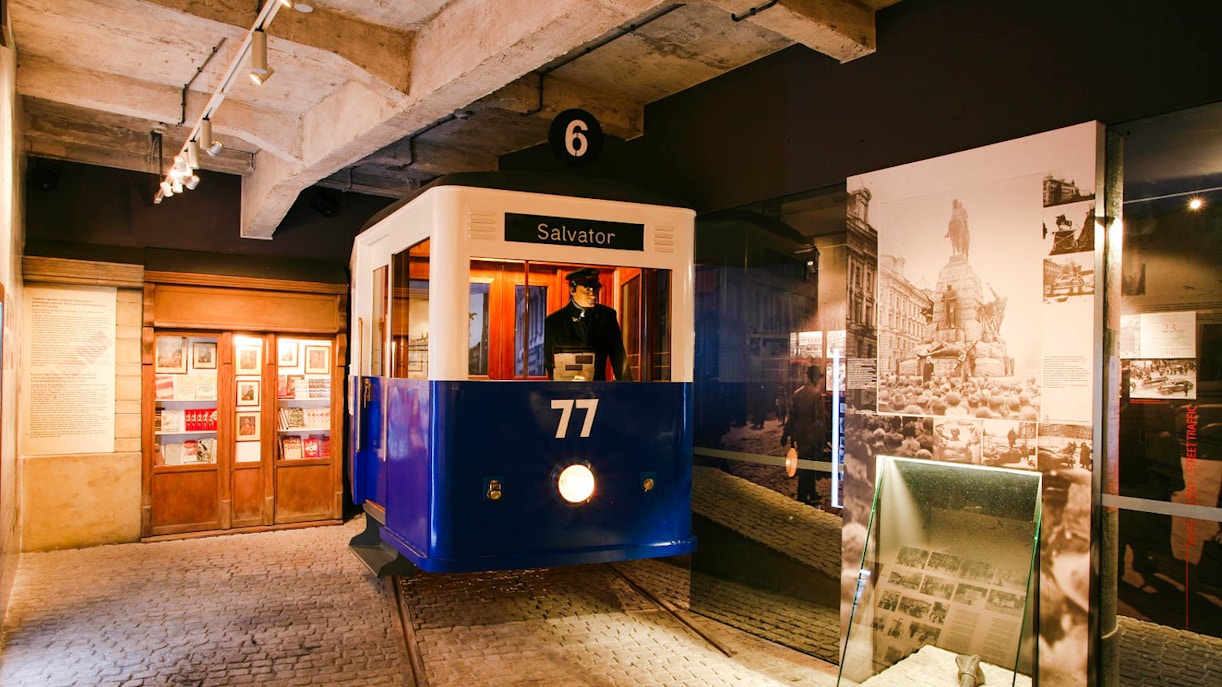
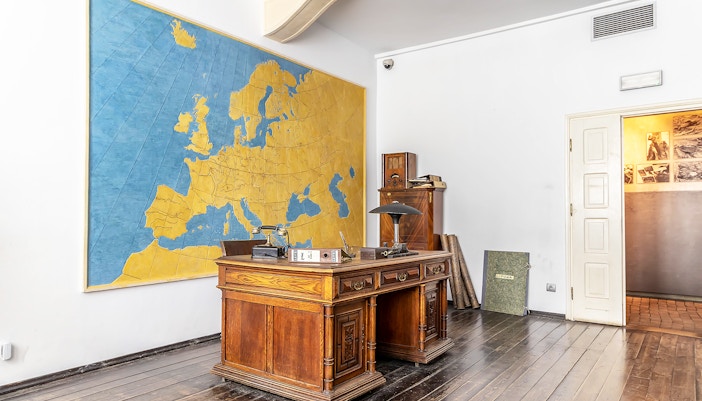
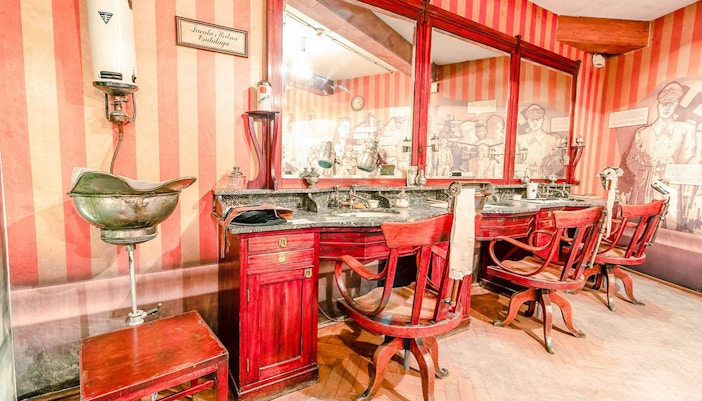
Each room of the museum is meticulously designed to recreate specific places and streets in Krakow – from a hairdresser’s salon, and a railway station, to a labor camp, or a bustling street. The museum offers a visually immersive history lesson that visitors can stroll through at their leisure. You’ll also be able to view Schindler’s desk along with a list of Jews he was successfully able to save.
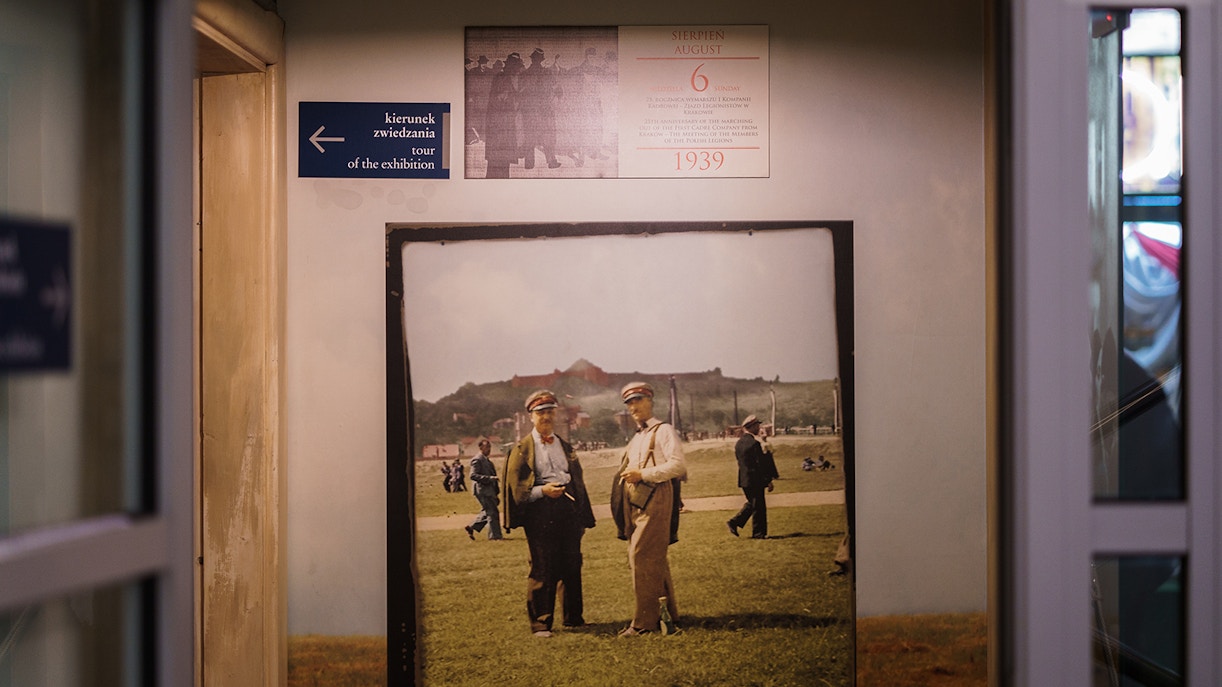
There is a permanent exhibition and a temporary exhibition held at Oskar Schindler’s Factory. The permanent exhibition, 'Krakow - during the occupation 1939-1945',tells the history of Krakow and its Polish and Jewish residents during World War II, using everyday objects, newspapers, personal documents, and other artifacts. The temporary exhibition, 'Partings - searches. The wartime fate of Krakow citizens tells wartime stories from the perspective of the inhabitants of Krakow.
Schindler’s Factory organizes educational tours and activities for children of different ages to help them better understand the history of Krakow and its capture during World War II. In these classes, students are taken through the exhibitions to see the period artifacts, photos, and documents for a better understanding of Krakow’s history. You can also join the online remote classes to learn about life in Krakow during the WWII years of 1939-1945 and how Oskar Schindler made a real impact in history.
Events
Schindler’s Factory holds regular events, including curated tours of their existing exhibitions, in a bid to provide visitors with a deeper understanding, not only about the war, but also the senselessness of it. Some events tend to be more light-hearted. One such event focuses on a part of the core exhibition that is devoted to the history of clothing and fashion in the 1930s, aiming to illustrate the changing fashion, which is in turn reflective of social and economic changes.
Frequently Asked Questions about Schindler's Factory
Schindler’s Factory is an erstwhile enamel factory in Krakow, Poland. Under the Nazi regime, Oskar Schindler employed over 1,000 Jewish people in this factory and saved them from being sent to concentration camps.
Oskar Schindler’s Factory in Krakow reopened for tourists on June 26, 2021. You can now go on a tour of the Schindler’s Factory to learn the history of Krakow during World War II and how Oskar Schindler helped save over 1,000 Jews during the war.
Yes, Schindler’s Factory is a ticketed attraction. You need to purchase Schindler’s Factory tickets at least 4 days prior to your visit.
The best way to buy Schindler’s Factory tickets is to pre-book them online. Visit here for more information.
Schindler’s Factory is a historical attraction with immense significance. It has been turned into a museum that showcases the wartime experiences in Krakow during World War II. Oskar Schindler saved 1,200 Jews during the Holocaust by giving them work in his factories.
When you visit Schindler's Factory today, you will be able to explore the two museums on the premises that showcase different aspects of life in Krakow during the Nazi occupation through a series of immersive exhibits.
Yes, Schindler’s Factory has now been turned into a museum and is of great historical value as it showcases the wartime experiences in Krakow during World War II.
Schindler’s Factory was established in the year 1937 in Krakow, Poland.
Schindler’s Factory was established by three Jewish entrepreneurs: Michał Gutman, Izrael Kahn, and Wolf Luzer Glajtman.
Schindler’s Factory was primarily a metal tin factory. Under the ownership of Oskar Schindler, the factory began producing ammunition shells and Schindler employed over 1,000 Jewish people to save them from being sent to concentration camps.
After the war, Schindler’s Factory’s buildings were used to produce telecommunications equipment for around 50 years. Eventually, Schindler’s Factory reopened with two historically important museums aiming to depict life in Krakow during the Nazi occupation.
Schindler’s Factory is located in Krakow, Poland.
Schindler’s Factory now houses two historical museums which paint a picture of Krakow under Nazi occupation.
Yes, there are guided tours available for Schindler’s Factory. Visit here to learn more about Schindler’s Factory tours.